50 DXF Box Templates: A Practical Asset for Creators
When you’re working on physical products, packaging, or even elaborate gift presentations, the difference between a professional finish and a mediocre one often comes down to the structural integrity and precision of the design. While digital assets like a premium font or a high-end serif typeface are essential for your brand identity, the tangible aspects of your business require a different kind of design asset. This is where the 50 DXF Box Templates Vol. 1 collection steps in, bridging the gap between digital precision and physical creation.
Unlike a decorative script font that adds flair to a wedding invitation, these templates serve a more utilitarian, yet equally critical, purpose. They provide the foundational geometry for creating custom packaging, storage solutions, and decorative items using laser cutters, Cricut machines, or other CNC tools. If you are a small business owner looking to elevate your packaging design or a hobbyist wanting to organize your workspace with style, this collection offers a versatile starting point.
The Anatomy of the Collection: Precision Meets Variety
At its core, the 50 DXF Box Templates Vol. 1 is exactly what it promises: fifty distinct box designs saved in the .dxf (Drawing Exchange Format) file type. This format is the industry standard for vector interoperability, meaning these files are designed to move seamlessly between different software environments. Whether you are using Adobe Illustrator to tweak the paths, or a dedicated laser cutting software to set your kerf and power settings, the vector nature of these files ensures that you aren't losing quality or precision when you resize them.
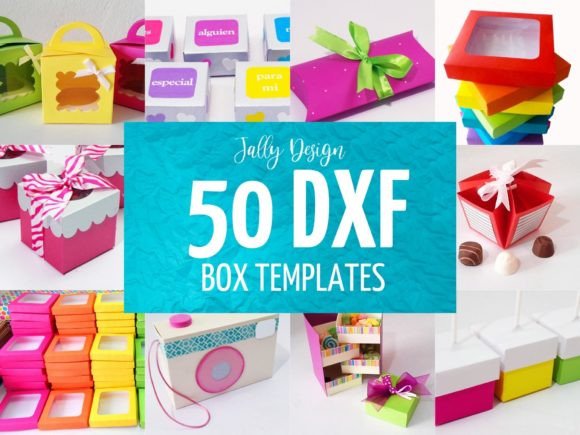
Visually, the templates vary in complexity and utility. You will find designs ranging from simple rectangular prisms suitable for shipping or storage to more intricate geometric shapes that could serve as boutique jewelry boxes or high-end cosmetic packaging. The "personality" of this collection is defined by its modularity. Just as a designer might mix a sans serif font for body copy with a bold display font for headlines, these templates allow you to mix and match structural designs to create a cohesive product line. For example, a jewelry entrepreneur could use one style for earring boxes and a complementary style for necklace boxes, creating a unified brand identity through consistent structural design.
It is important to note the practical constraints mentioned in the product description: decorations and embellishments are not included. This is actually a strength for creative professionals. A blank canvas allows for total customization. You can apply veneers, use different wood stains, wrap the cutouts in printed paper, or engrave your own logos onto the surfaces. The templates provide the skeleton; you provide the soul.
Strategic Applications for Brands and Creators
For the audience of designers, entrepreneurs, and content creators, the value of these templates extends far beyond simple crafting. Here is how different segments can leverage this asset:
- Small Business Owners & Entrepreneurs: Unboxing experiences are a massive driver of social media engagement. By using these templates to create custom-fitted boxes for your products, you instantly elevate the perceived value of your goods. Instead of using generic cardboard, you can create a bespoke package that protects your product perfectly and reinforces your brand’s attention to detail.
- Marketers & Brand Strategists: If you are planning a product launch or a VIP mailer campaign, physical mailers often have a higher engagement rate than digital ads. Use these templates to design prototype packaging that aligns with your modern typography and visual strategy. A well-designed physical box can act as a "keepsake" item that keeps your brand in the customer's home for months.
- Hobbyists & Crafters: For those who sell on platforms like Etsy or at local craft fairs, consistency is key. Using a DXF file ensures that every box you cut is identical to the last, removing the human error of hand-tracing. This professional consistency helps build trust with buyers.
- Event Planners & Bloggers: If you are hosting an event or creating props for a photoshoot, custom boxes add depth and texture to the visual narrative. You can create decorative storage that matches the specific color palette of your editorial design or web design project.
Technical Considerations and Workflow Integration
When integrating the 50 DXF Box Templates Vol. 1 into your workflow, there are a few practical considerations to keep in mind to ensure the best results. Since the product is delivered in .dxf format, you must ensure your software is compatible. Most professional design assets management involves software like AutoCAD, Fusion 360, or CorelDRAW. However, many consumer-grade machines (like the Silhouette Cameo or Cricut Maker) have their own native software that can import DXF files, though you may need to clean up the file slightly upon import.
Think of these templates like a premium font family. Just as you wouldn't use a heavy blackletter font for long-form body copy, you shouldn't force a template to fit a product it wasn't designed for. Evaluate the dimensions provided in the file. If you are selling delicate glass items, you need a box with structural rigidity, perhaps one that allows for double-walling or internal inserts. If you are creating flat-pack mailers for posters, you need a template that minimizes material waste while maximizing protection.
Furthermore, consider the material you are cutting. These vector paths are designed to be clean, but the behavior of the cut depends heavily on your material—whether it is cardstock, plywood, acrylic, or leather. Always do a test cut on a scrap piece of your material before committing to the final production run. This is similar to proofreading a layout; it catches errors before they become costly mistakes.
Enhancing Visual Hierarchy and Consistency
In the world of logo design and branding, visual hierarchy dictates how the eye moves across a page. In physical product design, hierarchy is created through size, shape, and texture. This collection allows you to build a hierarchy of packaging. You can have a main product box, a secondary accessory box, and a tertiary thank-you note holder, all designed with different templates from the same volume.
This consistency signals professionalism. When a customer receives a package where every element fits together perfectly—the creative font on the label matches the vibe of the box structure, and the box fits the product like a glove—it creates a subconscious impression of quality. It tells the customer that you care about the details, which translates to trust in your product.
Ultimately, 50 DXF Box Templates Vol. 1 is more than just a collection of lines and curves. It is a toolkit for physical manifestation of your brand. It empowers you to move beyond the screen and create tangible objects that hold your products, delight your customers, and organize your world. Whether you are a seasoned designer or a passionate hobbyist, having a library of reliable, editable, and versatile structural templates is an indispensable asset in your creative arsenal.