Modern Tech Landing Pages: Beyond Just a Pretty Face
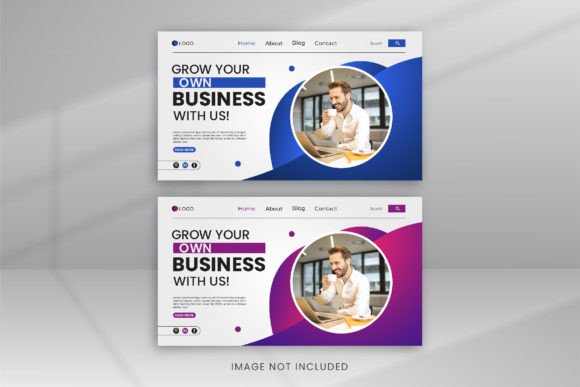
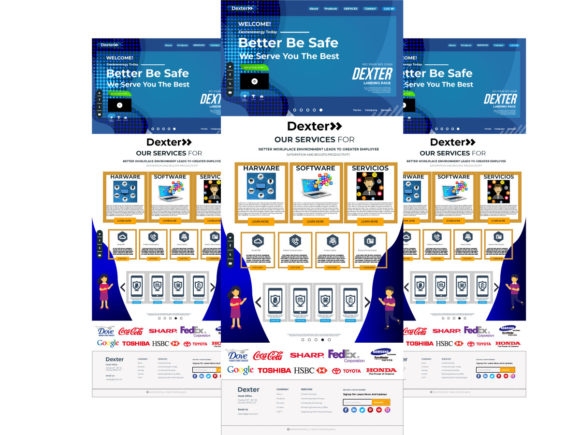
When you’re building a digital product, a SaaS platform, or a new tech startup, the landing page is your handshake. It’s the first thing potential customers see, and it needs to communicate trust, innovation, and clarity in about three seconds flat. I’ve seen a lot of templates over the years, and many fall into the trap of being either too generic or too flashy without substance. Good Technology Landing Page Templates strike a balance. They provide a solid structural foundation—think responsive grids and conversion-focused layouts—while leaving enough room for your specific content to breathe. They aren't just about looking "futuristic"; they are about guiding the user's eye from the hero section down to the call-to-action without friction.
The Anatomy of a High-Conversion Tech Aesthetic
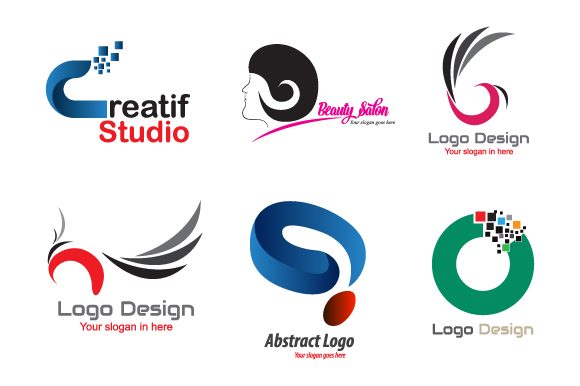
Visual appeal in the tech space usually revolves around clean lines, ample white space (or dark space, if you're going for dark mode), and sharp imagery. However, the real magic of a well-designed template lies in the assets that come with it. This is where the specifications you bring to the table matter immensely. For instance, consider the branding assets included in a quality package. You want Full Vector capabilities. When you are dealing with Technology Landing Page Templates, you are often working across multiple screen resolutions. A rasterized logo might look fine on a mobile phone but turn into a pixelated mess on a 4K monitor.
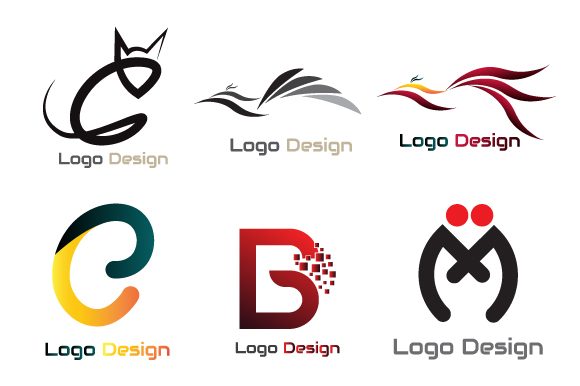
That’s why the Logo Specification is critical. You need files that offer High Resolution and are Ready to Change Text. In the fast-paced world of web design, the ability to swap out a tagline or adjust a company name without having to redraw the entire logo is a massive time saver. If you look at the file structure of professional design assets, you’ll often see a preference for vector formats. Specifically, receiving a zip containing EPS files is a game-changer. EPS files are the workhorses of the design world; they are robust, widely supported, and perfect for ensuring your graphics scale infinitely without losing quality.
Flexibility is the Ultimate Feature
I’ve worked on projects where we started with a specific brand color palette, only to pivot halfway through the sprint because the client decided they wanted a different shade of blue. If your design assets are locked down, this is a nightmare. But if your template package is built with 100% Vector elements, it’s just a Tuesday. The beauty of a file that Can be easily resized and change colors of each and every shape as required is that it empowers you to experiment. You aren't just filling in blanks; you are customizing the visual experience to match a specific brand identity.
This level of customization is vital for brand consistency. Whether you are a small business owner launching a new app or a marketer setting up a lead generation funnel, the tools you use should adapt to your vision, not the other way around. The ability to combine different elements and create your own illustrations from the provided EPS files means one template kit can fuel dozens of different campaigns. It turns a static design into a dynamic toolkit. For example, you might take a geometric background pattern from the landing page header, recolor it, and use it as a texture for your social media graphics, ensuring visual continuity across all platforms.
Practical Applications for Modern Creatives
Let’s talk about where these assets actually live. For web design, the Technology Landing Page Templates serve as the skeleton. They handle the heavy lifting of layout and visual hierarchy. But the included logo design assets and vector shapes are what flesh out the character of the site. If you are using Adobe Illustrator—which is standard for these types of design assets—the compatibility is seamless. You can pop open the EPS, tweak the vectors, and export them as SVGs for the web, ensuring lightning-fast load times and crisp edges on every device.
Beyond the screen, think about print design and packaging design. Tech companies often need physical swag—stickers, t-shirts, or trade show banners. If you only have a low-res PNG of your logo, you’re out of luck. But with a vector file, you can scale that logo up to the size of a billboard without a hitch. This versatility is what separates amateur designs from professional output. It influences readability and recognition. A clean, scalable logo ensures that your brand looks just as sharp on a business card as it does in the corner of a website header.
Choosing the Right Toolkit
When you are evaluating these templates, don't just look at the screenshot. Dig into the details. Does it offer the file formats you need? Is it truly easy to edit & customize? A common mistake is buying a template that looks amazing but is constructed poorly—layers are flattened, text isn't editable, or the colors are hard-coded. You want a system that respects your workflow.
For the designers and entrepreneurs reading this, think about your long-term needs. A good Technology Landing Page Template isn't a one-time purchase; it’s an investment in a design system. By ensuring you have Compatible with Adobe Illustrator files and full vector control, you are future-proofing your brand. You are building a library of assets that can grow with your business, allowing you to maintain that crucial visual hierarchy and professional sheen as you scale.