Urban Streetwear Design Templates: The Aesthetic Edge
The pulse of modern street culture is no longer confined to the sidewalk; it’s a visual language spoken through graphics, typography, and attitude. For designers, entrepreneurs, and brand builders looking to capture this energy without starting from zero, Urban Streetwear Design Templates offer a distinct advantage. These aren't just generic graphics; they are curated collections of unique and aesthetic designs built specifically for the demands of contemporary fashion and merchandise. They provide the raw visual material needed to launch a clothing line, create standout apparel, or develop a brand identity that resonates with an audience attuned to urban style.
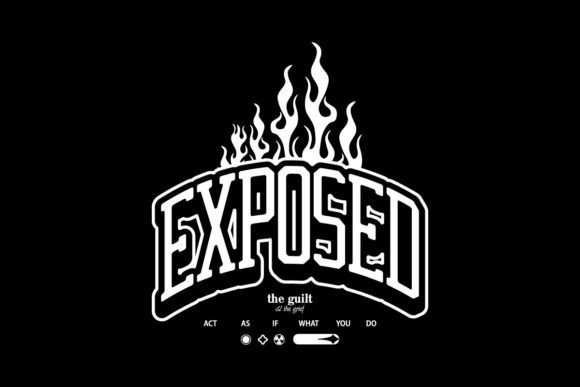
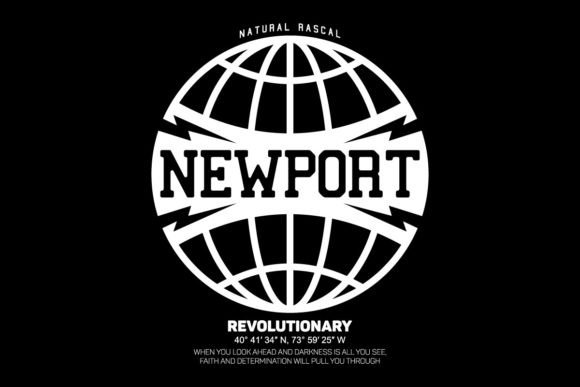
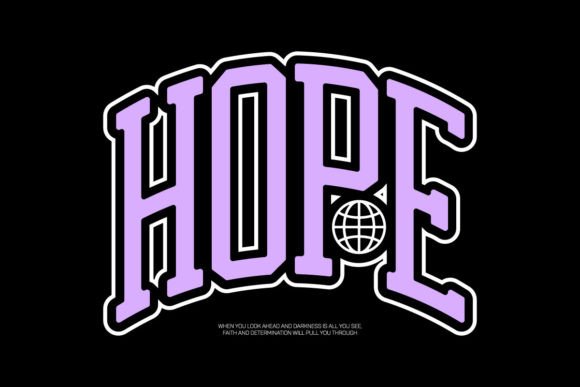
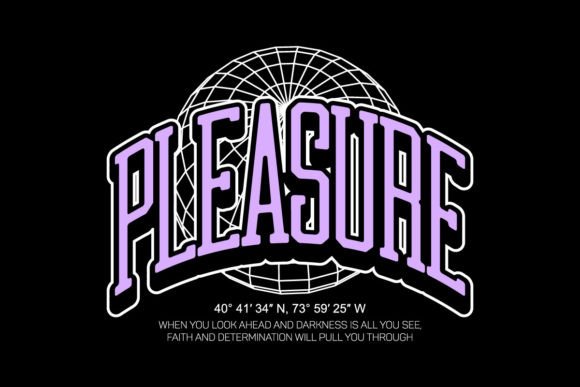
At their core, these templates are a toolkit for visual expression. They encompass a range of graphic elements—from bold typographic statements and intricate illustrative motifs to gritty textures and abstract patterns—all unified by an urban streetwear sensibility. The visual personality is raw, energetic, and often intentionally imperfect, reflecting the authenticity of street art, skate culture, and hip-hop influences. This style thrives on contrast: clean lines against distressed textures, bold shapes balanced with subtle details, and a color palette that can swing from monochrome starkness to vibrant, eye-catching hues. The overall appeal lies in its immediacy and its ability to communicate a specific cultural stance—rebellious, creative, and unapologetically contemporary.
Where Streetwear Graphics Make Their Mark
The true strength of these design assets lies in their versatility across a spectrum of projects. For fashion brands and apparel startups, they are the foundation for custom printed clothing. A single, well-chosen graphic from the collection can become the centerpiece of a t-shirt, hoodie, or accessory, instantly giving the product a professional and cohesive look. Beyond apparel, these templates are perfect for other types of merchandise—think tote bags, skateboards, stickers, and posters. They provide a consistent visual language that can extend a brand's reach from the clothing rack to other lifestyle products.
For marketers and content creators, the applications are equally powerful. The bold, graphic nature of streetwear designs makes them ideal for social media graphics that need to stop a scrolling thumb. They can be used to create engaging visuals for Instagram posts, YouTube thumbnails, or TikTok backgrounds that align with a youthful, trend-aware demographic. Bloggers and publishers in the fashion, music, or urban lifestyle spaces can incorporate these graphics into their editorial design, using them as featured images, pull quotes, or section dividers to inject energy and visual interest into their content. For small business owners in creative fields, such as barbershops, record stores, or urban cafes, these templates offer a cost-effective way to develop professional brand identity elements, from menu designs to promotional flyers, that feel authentic and relevant.
The Practical Power of Editable Vector Files
What elevates these collections from simple image packs to indispensable design assets is their technical format. Delivered as 100% vector source files in EPS formats, they are built for flexibility. Unlike raster images that pixelate when scaled, vector graphics can be transformed, scaled up to billboard size or down to a favicon, without any loss of quality. This is non-negotiable for professional applications where a design might need to work on a tiny clothing label and a large storefront banner.
The practical guidance for using these templates is straightforward. First, evaluate the project fit. Does the specific aesthetic of the Urban Streetwear Design Templates align with your brand's voice or your client's target audience? The raw, urban vibe isn't a universal solution; it speaks powerfully to a specific demographic. Second, leverage the editability. You can easily add, remove, or rearrange elements. Combine a bold typographic headline from one design with a texture from another. Recolor the graphics to match your brand's established color palette. The ability to customize without degradation is where the real value lies, allowing you to create something unique rather than using a generic, off-the-shelf graphic.
When integrating these elements into a broader brand identity, consider how they interact with other typography. While the templates themselves are graphic-heavy, any accompanying text in your project will need a complementary typeface. A clean sans serif font often provides a perfect counterbalance to the detailed streetwear graphics, ensuring readability in body copy or on product descriptions. For a more dynamic pairing, a script font or handwritten font can add a personal, human touch. The key is to create a visual hierarchy where the streetwear graphic commands attention as a display font equivalent, while supporting text remains clear and legible. Always test these font pairings in context to ensure they work harmoniously across web design, packaging design, and logo design applications.
Integrating Streetwear Aesthetics into Your Workflow
For the entrepreneur or designer, integrating these assets into a workflow is about strategic application. Start by reviewing the entire collection to identify which pieces best capture the mood you're aiming for. Look at the included styles—are there gritty, vintage-inspired designs alongside more sleek, futuristic ones? Understanding the range helps you select the right tool for the job. Consider the commercial licensing; these files are typically provided for both personal and commercial use, but it's always prudent to verify the terms, especially for large-scale production runs or client work.
A realistic example might be a new streetwear label planning its first drop. Using the templates, the designer can create a series of t-shirt graphics that feel part of a cohesive collection, even if they vary in subject matter. One shirt might feature a bold typographic statement, another an intricate illustrative piece, but the shared aesthetic—perhaps through consistent use of a particular texture or color treatment—ties them together. This builds brand recognition from the very first product. For a content creator, using a consistent streetwear-style graphic as a recurring motif in their video intros or blog headers can strengthen their visual identity, making their content more recognizable in a crowded digital landscape.
Ultimately, Urban Streetwear Design Templates